
What Is Premises Liability?
Premises liability is an area of personal injury law that concerns injuries
allegedly caused by unsafe conditions on someone else’s property. In
California, a person or organization that owns, leases, occupies, or controls
property may have a responsibility to use reasonable care in managing and
maintaining that property.
These cases can involve many types of locations, including retail stores,
restaurants, apartment buildings, offices, parking areas, hotels, and other
properties open to visitors. An injury occurring on private or commercial
property does not automatically mean the property owner is legally
responsible. The circumstances, the condition of the property, and the conduct
of the parties all matter.
Understanding the basic principles of premises liability can help readers
become more familiar with how California law approaches property-related
injuries and questions of negligence.
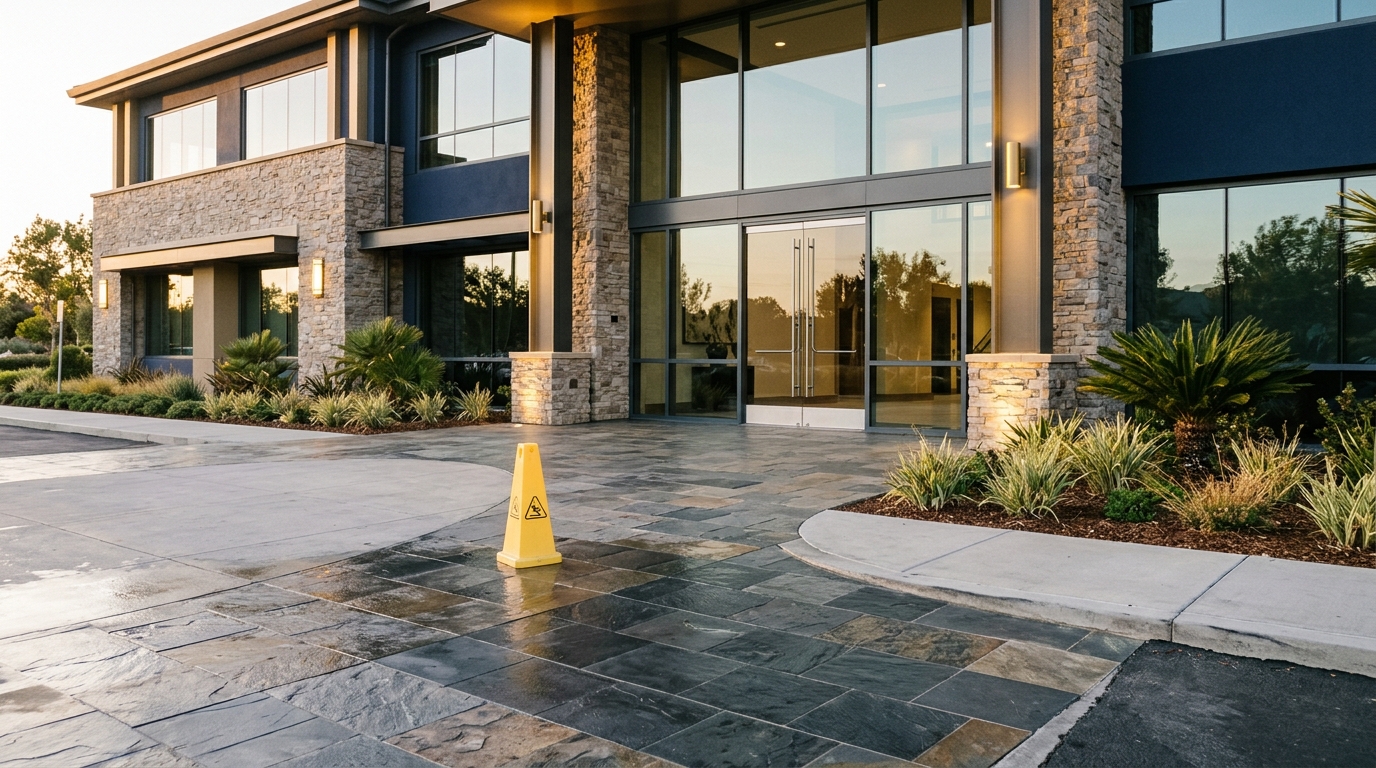
questions about safety and maintenance.
Property Owners and Their Responsibility to Use Reasonable Care
California law generally requires people to exercise ordinary care to avoid
causing harm to others. California Civil Code Section 1714 establishes a
general duty of care, including responsibility for injuries caused by a
person’s lack of ordinary care in managing their property.
In premises liability matters, the responsibility may extend beyond the person
listed as the property’s owner. Depending on the circumstances, a party that
leases, occupies, or controls a property may also have responsibilities
connected to its condition and maintenance.
The level of care expected depends on the situation. Factors may include the
type of property, how it is used, the likelihood that visitors will encounter
a particular condition, and whether reasonable steps could have reduced the
risk of injury.
Common Property Conditions That May Lead to Injury Claims
Premises liability claims can arise from different types of unsafe conditions.
Some involve temporary hazards that develop during normal property operations,
while others involve maintenance problems or conditions that remain
unaddressed over time.
Wet or Slippery Floors
Spills, recently cleaned floors, leaks, and other slippery surfaces may create
risks for people walking through a property. The circumstances surrounding the
hazard, including whether it was discovered and whether appropriate warnings
or corrective measures were used, may be relevant to evaluating a claim.
Uneven Walkways and Damaged Surfaces
Cracked pavement, raised flooring, damaged stairs, loose tiles, and uneven
walkways can create tripping hazards. Property maintenance, inspections,
repairs, and warnings may become important considerations when an injury is
connected to one of these conditions.
Inadequate Lighting
Poor lighting in stairwells, hallways, parking areas, and walkways may make it
difficult for visitors to recognize potential hazards. Whether the lighting
condition was unreasonable under the circumstances can be relevant to a
negligence analysis.
Unsafe Stairs, Railings, and Building Features
Broken steps, unstable handrails, damaged flooring, and improperly maintained
building features may expose visitors to preventable risks. The party
responsible for maintaining or controlling the affected area may be relevant
to determining whether reasonable care was exercised.
How Negligence Is Evaluated in a Premises Liability Case
Premises liability is generally based on negligence principles. Under
California Civil Jury Instruction No. 1000, a person bringing a premises
liability claim must establish several essential elements.
-
Ownership, occupation, or control: The defendant owned,
leased, occupied, or controlled the property. -
Negligence: The defendant was negligent in the use or
maintenance of the property. -
Harm: The person bringing the claim suffered an injury or
other legally recognized harm. -
Causation: The defendant’s negligence was a substantial
factor in causing that harm.
These elements provide a general framework, but the evidence and legal issues
in each case can differ. Establishing that an injury occurred on another
person’s property is not, by itself, enough to establish liability.
Why Notice of a Dangerous Condition May Matter
One important issue in many premises liability cases is whether the person or
organization responsible for the property knew, or reasonably should have
known, about the dangerous condition.
Actual Notice
Actual notice generally refers to circumstances in which the responsible party
was aware of the hazardous condition. For example, a visitor may have reported
a spill to an employee before an incident occurred, or a maintenance worker
may have documented a damaged section of flooring.
Constructive Notice
Constructive notice concerns situations in which a dangerous condition may
have existed long enough, or under circumstances such that, a reasonably
careful property operator should have discovered it. Evidence about inspection
practices, the condition’s duration, and the surrounding circumstances may be
relevant.
Notice is not determined by a simple rule that applies to every situation. The
evidence must be considered in context, and the requirements may differ
depending on the type of claim and the parties involved.
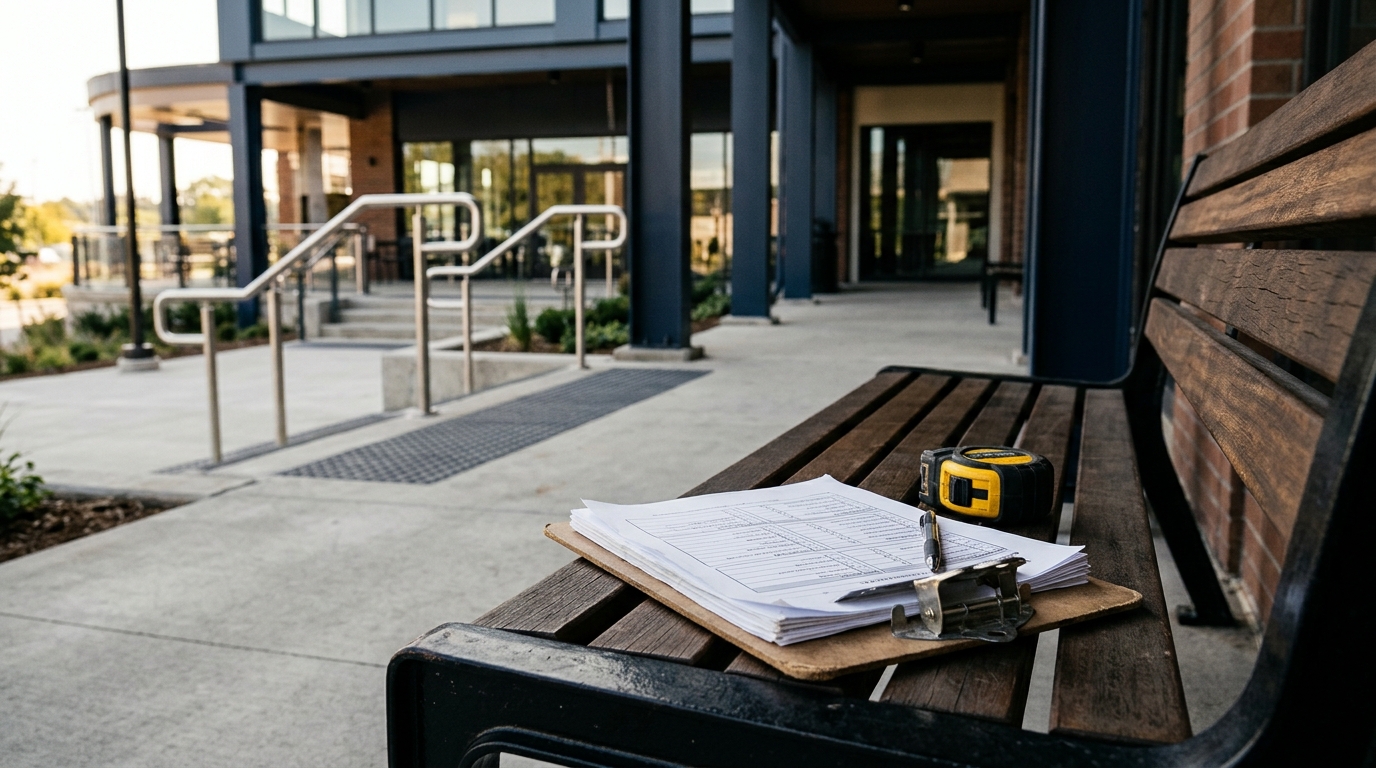
establish how a property condition was handled.
Evidence That May Be Relevant to a Property Injury Claim
Information gathered after an incident may help explain what happened and
whether an unsafe property condition contributed to the injury. Depending on
the circumstances, potentially relevant materials may include:
-
Photographs and videos: Images of the location, the alleged
hazard, warning signs, lighting, and surrounding conditions. -
Incident reports: Written records prepared by a property
owner, manager, business, or other responsible party. -
Witness information: Names and accounts of people who
observed the incident or the condition beforehand. -
Maintenance and inspection records: Documents that may show
when an area was inspected, cleaned, repaired, or reported. -
Medical documentation: Records describing an injury,
treatment, and related medical observations. -
Communications: Relevant messages, emails, or written
reports concerning the condition or incident.
Evidence should be gathered lawfully and preserved where possible. A person
should not put themselves or others at risk to photograph or investigate a
hazardous location.
Can an Injured Person Share Responsibility?
California follows a comparative fault approach in many negligence cases. This
means responsibility may be allocated among multiple parties based on their
respective contributions to an incident.
For example, a property condition may have contributed to an accident while
the injured person’s own actions may also be considered. The existence of some
responsibility on the injured person’s part does not automatically eliminate a
potential claim. However, an allocation of fault may affect the amount of
damages that can be recovered.
How comparative responsibility applies depends on the evidence, the applicable
legal rules, and the specific circumstances of the incident.
What Should Someone Consider After an Injury on Another Person’s Property?
When an injury occurs on commercial, residential, or public property, the
immediate priority should be personal safety and appropriate medical
attention. Once it is safe to do so, several practical steps may help preserve
relevant information.
-
Seek appropriate medical attention. A medical professional
can evaluate the injury and recommend suitable care. -
Record relevant details. Write down the date, time,
location, and a description of what happened while the details are still
clear. -
Preserve available evidence. Keep photographs,
incident-related documents, witness information, and relevant
communications. -
Report the incident when appropriate. Notify the property
manager, business, or other responsible party when doing so is safe and
appropriate, and retain a copy of any report. -
Understand insurance communications. Keep copies of
relevant correspondence and review documents carefully before making
decisions. -
Consider qualified legal guidance. A California attorney
can evaluate the facts, potential legal issues, and any deadlines that may
apply.
Premises Liability Involving Public Property
Injuries involving public sidewalks, government buildings, parks, streets, and
other public property can raise additional legal considerations. Claims
against public entities may be subject to special procedures and shorter
claim-presentation deadlines than ordinary claims against private parties.
California law includes specific rules concerning dangerous conditions of
public property. Whether a public entity may be responsible depends on the
facts, the applicable statutory requirements, and the evidence concerning the
condition and the entity’s responsibility.
Anyone considering a claim involving a government agency should seek legal
guidance promptly rather than assume that the same procedures and deadlines
apply to every personal injury matter.
Understanding the Broader Principles of Premises Liability
Premises liability is not simply about determining who owns a property. It
involves examining who had responsibility or control, whether reasonable care
was exercised, what was known or should have been known about a dangerous
condition, and whether that condition substantially contributed to an injury.
For California residents, understanding these principles can provide useful
context when learning about property safety, negligence, and personal injury
law. Each situation is fact-specific, and the existence of an accident does
not automatically establish that a property owner or operator is legally
liable.
Learn More About California Personal Injury and Liability Law
Property-related injury claims can involve questions about maintenance,
inspections, warning practices, insurance, and legal responsibility. Exploring
these subjects can help readers become more familiar with how California law
approaches premises safety and negligence.
CaliLegalPost will continue covering legal developments and educational topics
that help readers better understand personal injury, liability, consumer
protection, and other areas of California law.
Disclaimer: This article is provided for general informational and
educational purposes only. It is not legal advice and does not create an
attorney-client relationship. Laws and legal procedures may change, and the
application of the law depends on the specific facts of each situation.
Consult a qualified California attorney for advice about a particular legal
matter.