
California has one of the largest and most active judicial systems in the
United States. Its courts handle a wide variety of matters, including criminal
prosecutions, civil disputes, family matters, business disagreements, and
personal injury claims. Understanding how this system is organized can help
individuals become more familiar with where legal matters are heard and how
judicial decisions are made.
The California court system is structured into different levels, each with its
own responsibilities and authority. From local trial courts to the state’s
highest court, these institutions play an important role in interpreting laws,
resolving disputes, and administering justice throughout the state.
How Is the California Court System Structured?
California’s state judicial system has three primary levels: Superior Courts,
Courts of Appeal, and the California Supreme Court. Each level performs a
distinct function, allowing cases to be heard, reviewed, and decided according
to established legal procedures.
Most state court cases begin in a Superior Court. Depending on the nature of
the dispute and the applicable rules, certain decisions may later be reviewed
by an appellate court. The California Supreme Court serves as the highest
judicial authority within the state court system.

courts with different levels of authority.
1. Superior Courts: Where Most Cases Begin
Superior Courts are California’s general jurisdiction trial courts. There are
58 Superior Courts, with one serving each of the state’s 58 counties. These
courts handle a broad range of legal matters and are generally the first place
where state court disputes are heard.
During a trial, a judge, and in appropriate cases a jury, considers testimony,
evidence, and applicable legal rules before reaching a decision. The court
evaluates the facts presented by the parties and determines how the law
applies to the particular matter.
Types of Cases Handled by Superior Courts
Superior Courts handle several categories of cases, including:
-
Civil cases: Disputes involving contracts, personal injury
claims, property issues, and other private legal matters. -
Criminal cases: Proceedings involving alleged violations of
criminal laws, including misdemeanors and felonies. -
Family law matters: Cases involving divorce, child custody,
child support, and related family issues. -
Probate matters: Proceedings involving wills, estates,
guardianships, and conservatorships. -
Small claims cases: Certain lower-value disputes handled
through a simplified court process. -
Juvenile matters: Cases involving minors under the
applicable juvenile court system.
Because Superior Courts handle such a wide range of disputes, they are an
important part of the state’s judicial system and are often the primary point
of contact for individuals involved in legal proceedings.
2. Courts of Appeal: Reviewing Lower Court Decisions
The California Courts of Appeal serve as the intermediate level of the state’s
judicial system. Their primary responsibility is to review eligible decisions
made by Superior Courts and determine whether significant legal errors
occurred during the proceedings.
An appeal generally does not involve conducting an entirely new trial.
Instead, appellate justices review the record from the lower court, including
relevant documents, evidence, and legal arguments presented by the parties.
What Happens During an Appeal?
A party who believes that a trial court made a reversible legal error may have
the right to seek appellate review. The appellate court examines the issues
raised and determines whether the challenged decision should stand or whether
further legal action is appropriate.
Depending on the circumstances, an appellate court may affirm the lower
court’s decision, reverse it, modify it, or send the case back to the trial
court for additional proceedings.
California has six appellate districts covering different geographic areas of
the state. These courts help promote consistent interpretation and application
of California law.
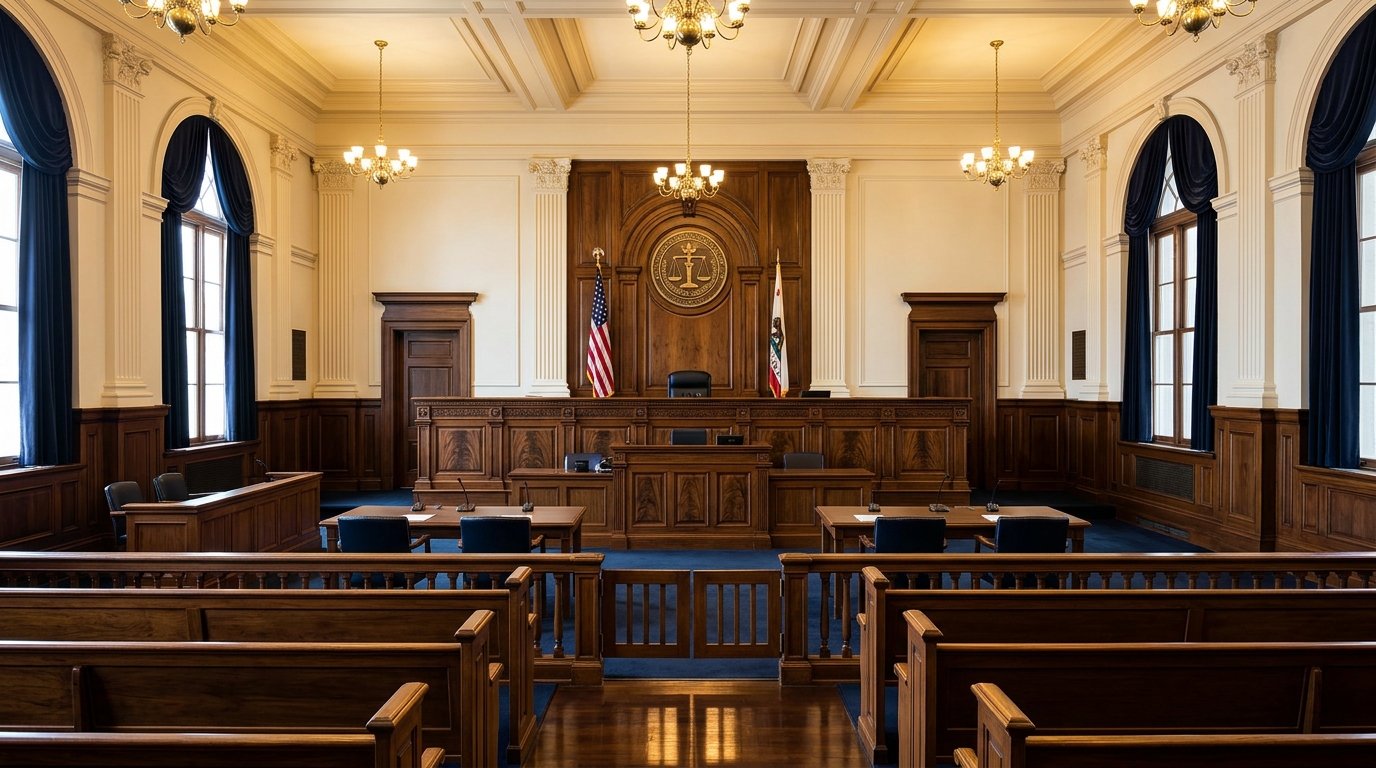
involving the application of law.
3. California Supreme Court: The State’s Highest Court
The California Supreme Court is the highest court within the state’s judicial
system. It has the authority to review decisions from the Courts of Appeal and
address important legal questions affecting the interpretation and application
of California law.
The court generally selects which appellate cases it will review. Its work is
particularly important when significant legal questions arise, when
clarification of existing law is needed, or when conflicting appellate
decisions require resolution.
Responsibilities of the California Supreme Court
Among its important responsibilities are:
- Reviewing selected decisions issued by the California Courts of Appeal.
- Resolving significant questions involving the interpretation of state law.
- Addressing conflicts between appellate court decisions.
- Reviewing certain matters involving judicial and attorney discipline.
- Hearing death penalty appeals as required by California law.
The California Supreme Court consists of seven justices: one Chief Justice and
six Associate Justices. Its decisions establish authoritative interpretations
of California law that other state courts must follow.
What Is the Difference Between State and Federal Courts?
California also has federal courts that operate separately from the state’s
judicial system. Although both systems may handle legal disputes arising
within California, their authority comes from different sources of law.
California state courts generally handle matters involving California law,
while federal courts address cases involving federal statutes, constitutional
questions, disputes between citizens of different states under applicable
jurisdictional requirements, and other matters within federal jurisdiction.
The federal court system has its own structure, consisting primarily of U.S.
District Courts, U.S. Courts of Appeals, and the United States Supreme Court.
These courts operate independently of the California state appellate system.
Why Understanding the Court System Matters
Knowing how California’s courts operate can help individuals better understand
legal proceedings, court decisions, and the different stages of a dispute. It
also provides useful context when following news about lawsuits, judicial
rulings, legislation, and other legal developments.
For example, a personal injury lawsuit may begin in a Superior Court, while
certain legal issues arising from the trial may later become the subject of an
appeal. Similarly, a significant question involving the interpretation of
California law may eventually receive attention from the state’s highest
court.
Understanding these distinctions helps readers recognize the role each court
plays and why judicial decisions can have broader implications for
individuals, businesses, and communities.
Final Thoughts
California’s court system provides an organized framework for resolving
disputes, interpreting laws, and reviewing judicial decisions. From the 58
county Superior Courts to the six appellate districts and the California
Supreme Court, each level contributes to the administration of justice
throughout the state.
By becoming familiar with the structure and responsibilities of these courts,
readers can develop a better understanding of how legal matters progress and
how important judicial decisions are reached. This knowledge also provides a
useful foundation for following California legal news and exploring more
complex legal topics.
General Legal Information Disclaimer
This article is provided for general educational and informational purposes
only. It does not constitute legal advice, create an attorney-client
relationship, or replace guidance from a qualified legal professional. Court
procedures and legal requirements may vary depending on the circumstances of a
case. Individuals facing specific legal issues should consult a qualified
California attorney.